5 HEALTHCARE IT TRENDS IN 2024
Introduction
Over recent years, healthcare IT has witnessed an unparalleled transformation. Companies find themselves navigating uncharted territory, compelled to adapt and meet the diverse needs of their clientele. Challenges include managing increased volumes of claims, billing processes, staffing requirements, virtual consultations, vaccine distribution, and many other variables.
Against this backdrop, health tech firms are uniquely positioned to capitalize on the innovative strides prompted by the pandemic, offering solutions to longstanding issues plaguing the sector. Amid shrinking profits, providers and health systems are grappling with staff burnout and a worsening talent crunch. 2024 is poised to see a strategic shift affecting where dollars are invested within the healthcare sector.
In this blog post, we named 5 main healthcare IT trends of the industry in 2024 and beyond.
Telemedicine Revolution
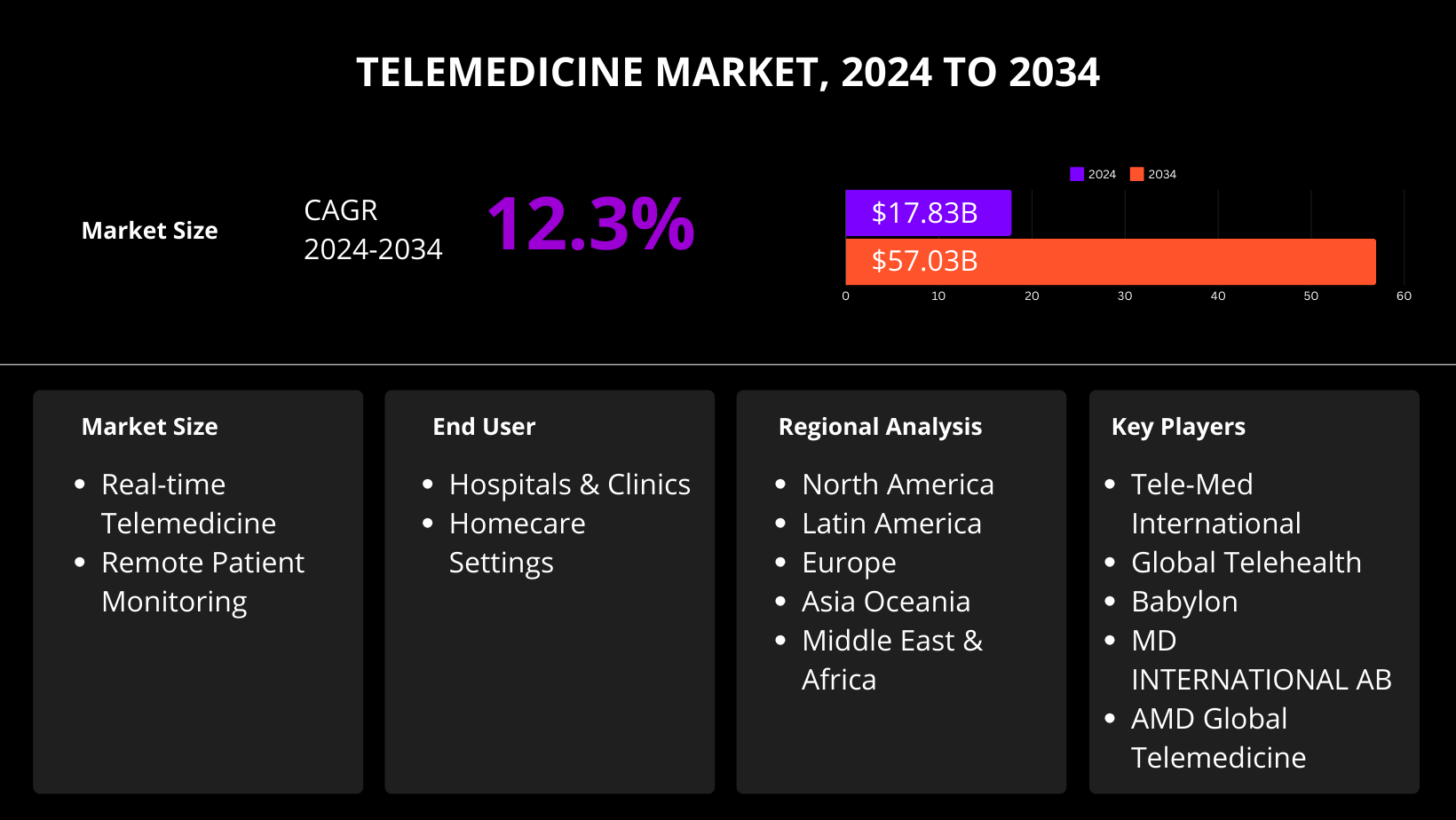
Telemedicine has experienced exponential growth in recent years, but in 2024, it has become an integral part of the healthcare ecosystem. Also, advancements in communication technologies, virtual consultations, remote patient monitoring, and telehealth platforms have become mainstream, offering patients convenient access to healthcare services from the comfort of their homes. Additionally, the COVID-19 pandemic has accelerated the adoption of telemedicine, prompting healthcare organizations to invest in robust telehealth infrastructures and solutions to meet the surge in demand for remote care.
Certainly, in 2024, telemedicine is offering an array of benefits for patients, providers, and healthcare systems alike.
 Accessibility
Generally, accessibility is perhaps one of the most significant advantages of telemedicine. Patients no longer need to travel long distances or wait for hours in crowded waiting rooms to consult with a healthcare professional. Instead, they can access medical advice and treatment using smartphones, tablets, or computers.
Moreover, patients from underserved communities, who previously struggled to receive timely medical attention, can now connect with specialists and primary care physicians irrespective of geographical boundaries. Besides, this inclusivity fosters better health outcomes and reduces disparities in healthcare delivery.
Basically, scheduling appointments is no longer a hassle, as patients can book virtual consultations at their convenience, often within minutes. Additionally, telemedicine enables follow-up consultations and monitoring of chronic conditions without the need for frequent in-person visits, ensuring continuity of care and early intervention when necessary.
 Cost-effectiveness
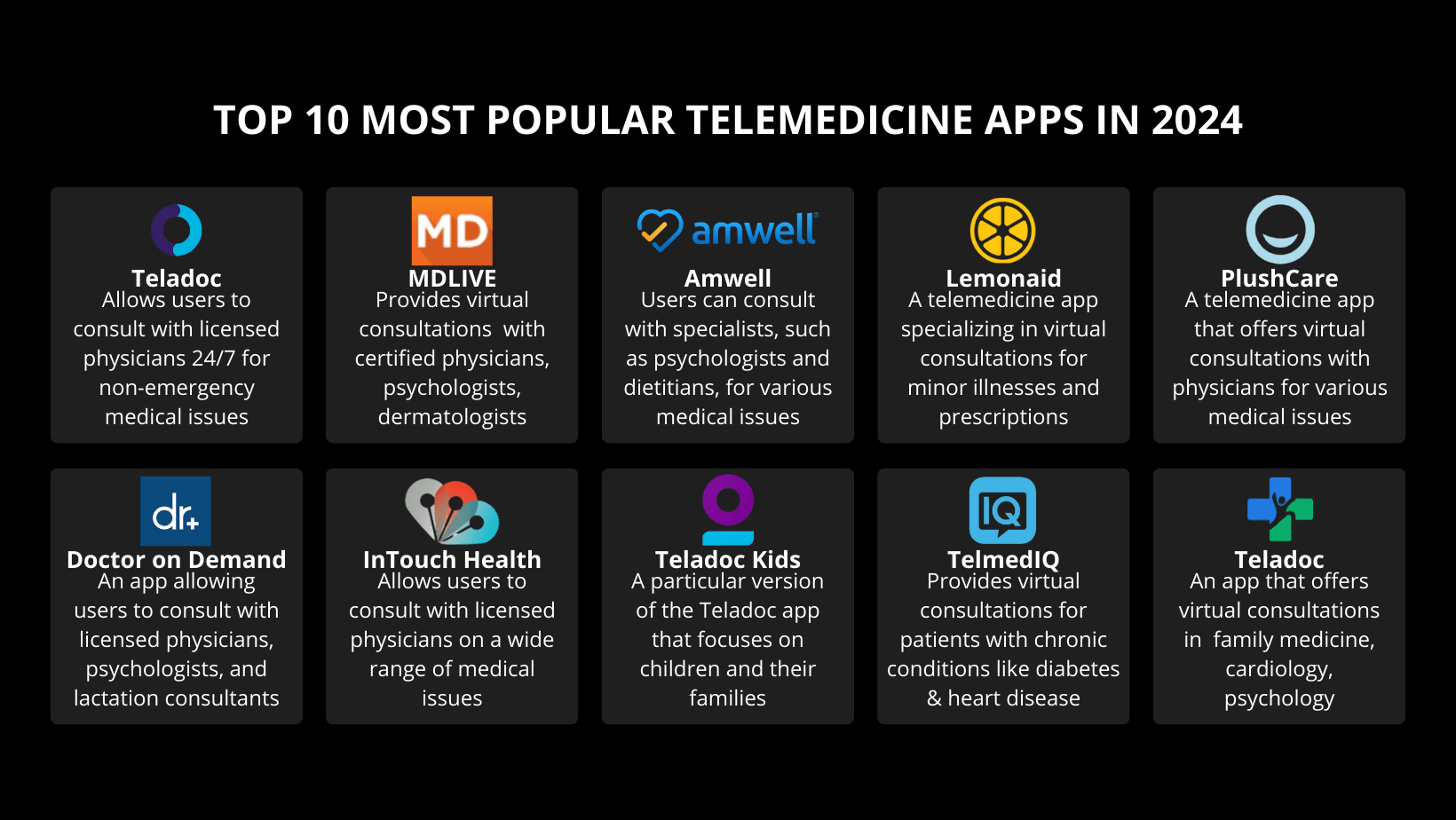
Furthermore, telemedicine has proven to be a cost-effective solution for both patients and healthcare systems. By reducing the need for physical infrastructure and streamlining administrative processes, telemedicine helps in lowering healthcare expenditures. Patients save on transportation costs and time off work, while healthcare providers optimize resources and improve operational efficiency.
However, the widespread adoption of telemedicine also presents its share of challenges. Privacy and security concerns, interoperability issues, and regulatory complexities remain significant hurdles that must be addressed to ensure the safe and effective implementation of telemedicine technologies.
Looking ahead, the future of telemedicine in healthcare IT appears promising. As technology continues to advance, we can expect to see further innovations in telemedicine platforms, such as:
- enhanced virtual reality experiences,
- artificial intelligence-driven diagnostics,
- and remote patient monitoring devices.
Artificial Intelligence (AI) in Healthcare
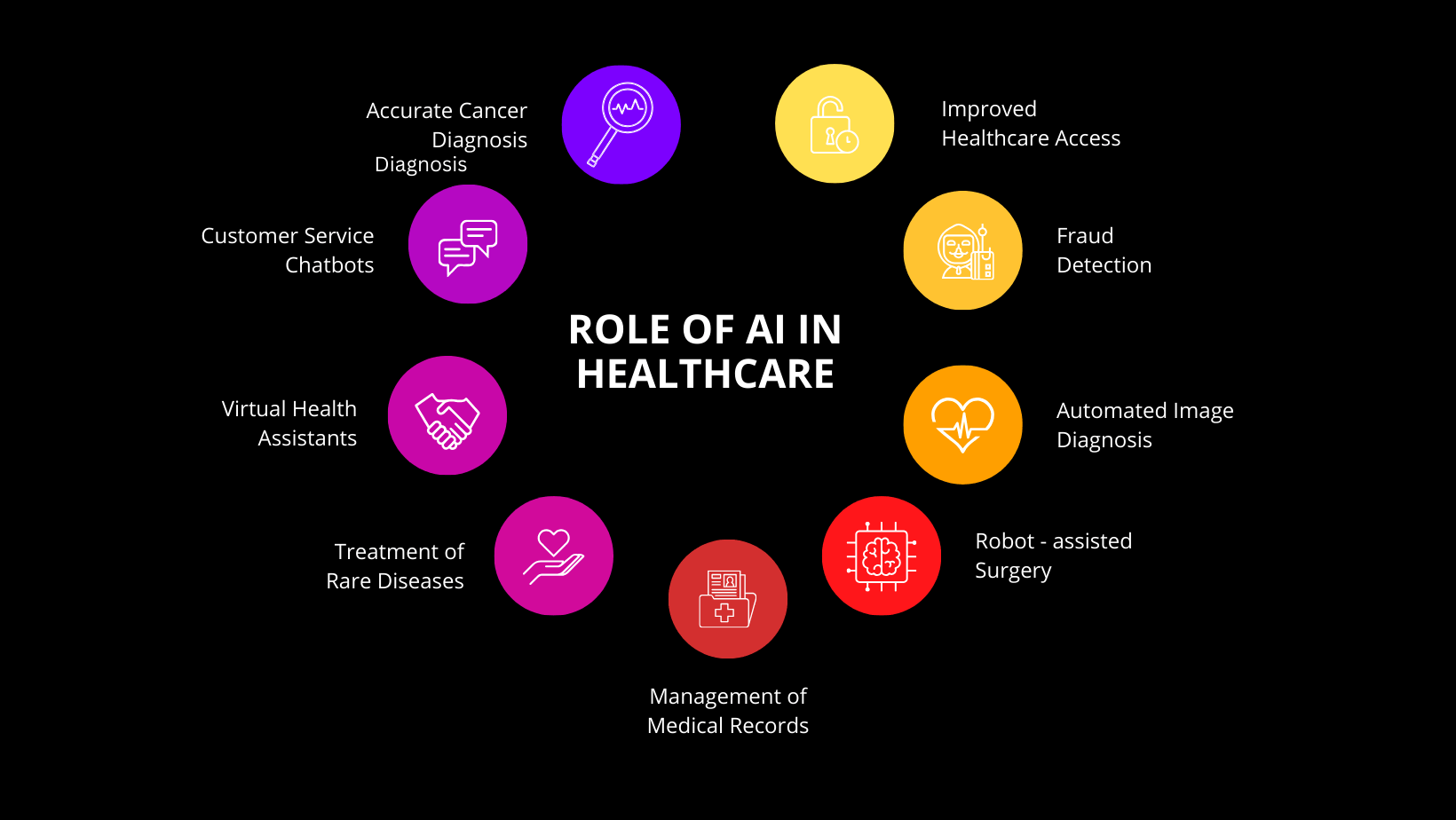
AI-powered applications are being deployed across various healthcare domains, including predictive analytics, personalized medicine, robotic surgery, and drug discovery. Machine learning algorithms analyze vast amounts of data to identify patterns, predict disease progression, and recommend optimal treatment plans tailored to individual patient needs. Furthermore, AI-driven chatbots and virtual assistants are enhancing patient engagement, providing round-the-clock support, and automating administrative tasks, thereby reducing healthcare costs and improving operational efficiency.
By the way, here are the 10 benefits of making your own AI tool.
 Data Analysis
One of the most significant contributions of AI in healthcare is its ability to analyze vast amounts of data with speed and precision, enabling more accurate and timely diagnoses. Machine learning algorithms, a subset of AI, can sift through electronic health records, medical images, genomic data, and other sources of patient information to identify patterns, detect anomalies, and predict disease risk with remarkable accuracy. AI-driven diagnostic tools are assisting healthcare providers in diagnosing conditions such as
- cancer,
- heart disease,
- and neurological disorders
at earlier stages, when interventions are most effective.
Personalization
Moreover, AI is revolutionizing personalized medicine by tailoring treatment plans to individual patient characteristics and preferences. Through the analysis of genetic profiles, biomarkers, and clinical data, AI algorithms can identify optimal treatment strategies and predict patient responses to specific medications or therapies. Basically, this personalized approach to healthcare not only improves treatment outcomes but also minimizes adverse effects and reduces healthcare costs by avoiding unnecessary interventions.
Real-time decision-making
In addition to diagnostics and personalized medicine, AI is enhancing patient care and clinical decision-making in real-time. In 2024, AI-powered clinical decision support systems provide healthcare providers with evidence-based recommendations, drug interactions alerts, and risk assessments at the point of care, helping to improve patient safety and reduce medical errors. Furthermore, AI-enabled telemedicine platforms facilitate remote consultations, remote monitoring, and virtual triage, expanding access to healthcare services and improving care coordination, particularly in underserved areas.
Operational Efficiency
Beyond clinical applications, AI is also streamlining administrative processes and enhancing operational efficiency within healthcare organizations. Natural Language Processing (NLP) algorithms, for instance, can automate medical coding, transcription, and documentation, freeing up valuable time for healthcare professionals to focus on patient care. Predictive analytics tools powered by AI help healthcare administrators forecast patient demand, optimize resource allocation, and identify areas for quality improvement, ultimately leading to better patient outcomes and cost savings.
Blockchain for Health Data Security
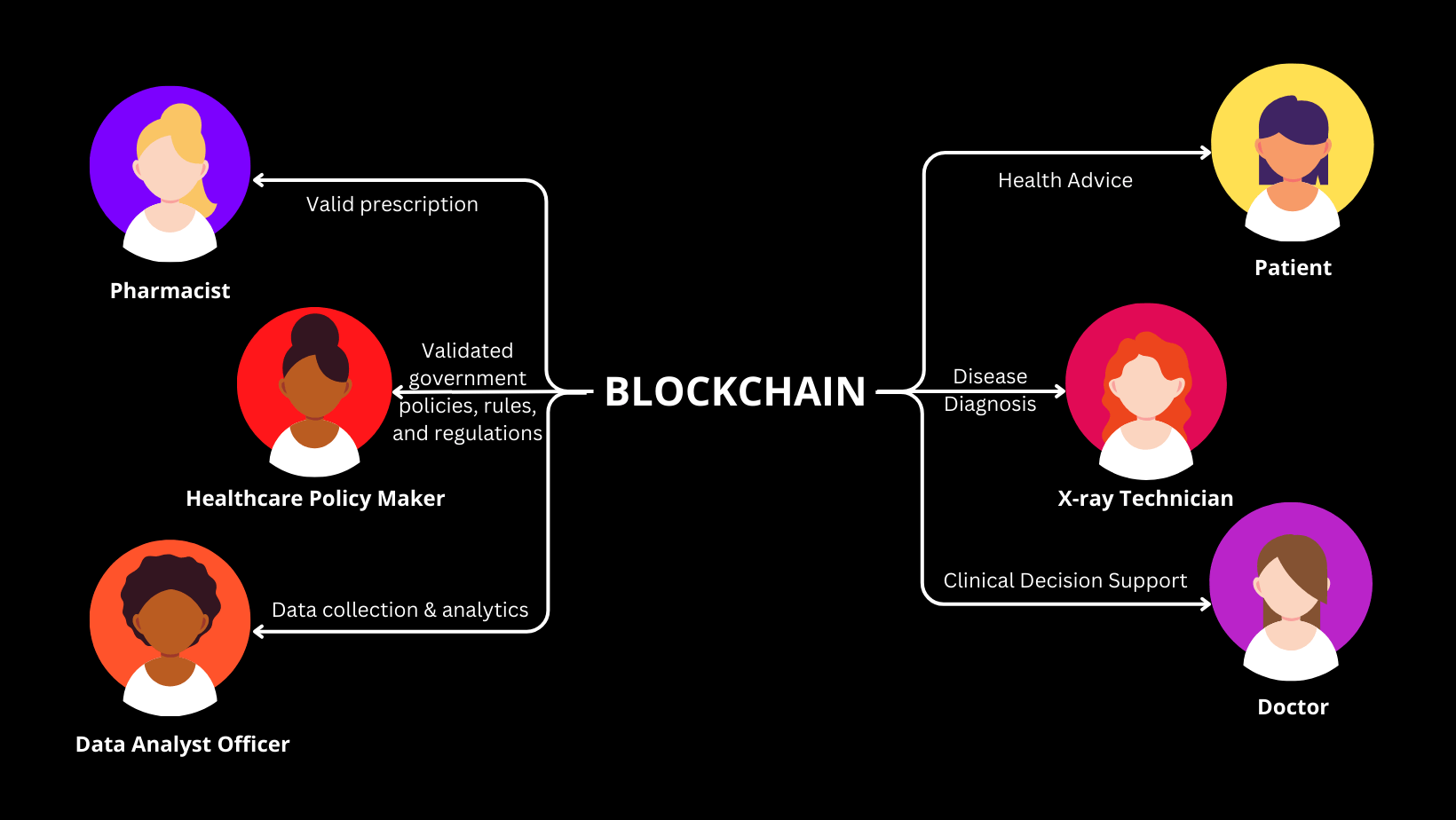
Blockchain technology is a promising solution to address the inherent vulnerabilities of traditional healthcare data management systems. So, by leveraging decentralized and immutable ledgers, blockchain ensures the integrity, transparency, and security of health information, preventing unauthorized access, tampering, and data breaches.
 Trustworthiness
One of the primary benefits of Blockchain in healthcare is its ability to enhance data integrity and trustworthiness. Every transaction recorded on the Blockchain is cryptographically linked to previous transactions, forming a chain of blocks that cannot be altered without consensus from the network. Besides, this inherent immutability makes Blockchain an ideal solution for maintaining the integrity of health records, ensuring that any changes or updates are transparently recorded and verifiable by authorized parties.
Access Control
Moreover, Blockchain enables granular access control and data ownership management, empowering patients to retain ownership of their health data and grant permissions to healthcare providers or researchers on a need-to-know basis. Through smart contracts, self-executing digital agreements encoded on the Blockchain, patients can define who has access to their data, under what conditions, and for what purposes. This enhances patient privacy and facilitates seamless data sharing and interoperability across disparate healthcare systems.
Security
Furthermore, Blockchain enhances security by mitigating the risk of centralized data breaches and single points of failure. In traditional healthcare IT systems, centralized databases are vulnerable to cyberattacks, insider threats, and data breaches, putting sensitive patient information at risk. By decentralizing data storage and employing cryptographic hashing algorithms, Blockchain distributes data across a network of nodes, making it extremely difficult for malicious actors to compromise the integrity of the system.
Administrative Processes
Additionally, Blockchain can streamline administrative processes, reduce administrative overhead, and improve efficiency within healthcare organizations. Smart contracts can automate revenue cycle management, insurance claims processing, and supply chain logistics, eliminating manual errors and reducing administrative costs. Generally, this not only improves operational efficiency but also enhances transparency and accountability in healthcare transactions.
Internet of Medical Things (IoMT)
The Internet of Medical Things refers to interconnected medical devices and wearable sensors that collect, monitor, and transmit real-time health data to healthcare providers. Moreover, in 2024, the proliferation of IoMT devices is transforming patient care by enabling remote monitoring, early detection of health issues, and proactive interventions.
 Remote Patient Monitoring
One of the primary advantages of IoMT is its ability to facilitate remote patient monitoring and telemedicine, thereby extending the reach of healthcare services beyond traditional clinical settings. So, patients with chronic conditions, elderly individuals, and those residing in remote or underserved areas can benefit from continuous monitoring of vital signs, medication adherence reminders, and timely interventions facilitated by IoMT devices. This improves patient outcomes and reduces healthcare costs by minimizing hospital readmissions and emergency room visits.
Behavior Modification
Moreover, IoMT devices empower individuals to take a more proactive role in managing their health and well-being. By providing real-time feedback on physical activity, sleep patterns, and physiological parameters, wearable devices encourage behavior modification and lifestyle changes that promote better health outcomes. Furthermore, IoMT solutions enable early detection of medical issues and facilitate timely interventions, thereby preventing disease progression and reducing the burden on healthcare systems.
Improving Clinical Workflows
In addition to patient care, IoMT holds immense potential for optimizing healthcare operations and improving clinical workflows. By integrating IoMT devices with electronic health records (EHRs) and healthcare information systems, healthcare providers can access timely and accurate patient data. It is enabling informed decision-making and personalized treatment plans. IoMT solutions also enhance asset tracking, inventory management, and predictive maintenance in healthcare facilities, ensuring the efficient utilization of resources and minimizing downtime of medical equipment.
Data Analytics for Population Health Management
Population health management relies on data analytics to
- identify health trends,
- assess risk factors,
- and implement targeted interventions
to improve health outcomes at the community level. So, healthcare organizations are harnessing the power of big data analytics, machine learning, and predictive modeling. This helps stratify patient populations, predict disease outbreaks, and optimize resource allocation.
 Identifying High-Risk Populations
By analyzing clinical and demographic data, organizations can identify populations at high risk. For example for chronic conditions, infectious diseases, or other health issues. This proactive approach allows healthcare providers to
- intervene early,
- provide targeted interventions,
- and prevent the progression of diseases.
Ultimately it is improving health outcomes and reducing healthcare costs.
Predicting Health Trends
Data analytics can uncover patterns and trends within populations, allowing healthcare organizations to anticipate future healthcare needs. And allocate resources accordingly. Predictive analytics models can forecast disease:
- outbreaks,
- hospital readmissions,
- or spikes in healthcare utilization.
Which is enabling proactive planning and resource allocation to address emerging healthcare challenges.
Interventions Personalization
By combining clinical data with social determinants of health, organizations can gain a more comprehensive understanding of individual patients. And tailor interventions to meet their unique needs. Data analytics enables the development of personalized care plans, medication regimens, and lifestyle interventions. They take into account patients’ socio-economic status, living environment, and other factors influencing health outcomes.
Care Coordination
Data analytics facilitates seamless care coordination and collaboration among healthcare providers. This enables the exchange of real-time patient data, insights, and best practices. Integrated data systems and interoperable platforms enable care teams to access comprehensive patient records. As well as streamline care transitions, and ensure continuity of care across healthcare settings.
Conclusion
So, the healthcare IT trends outlined above represent the convergence of cutting-edge technologies and strategic initiatives. It’s aimed at advancing patient-centered care, improving clinical outcomes, and optimizing healthcare delivery. Across the industry, Artificial Intelligence (AI) is enhancing diagnostics, treatment planning, and administrative processes. Certainly, telemedicine has become mainstream, expanding access to care and improving patient experiences. Blockchain technology is revolutionizing data security and interoperability, fostering trust and efficiency in healthcare data exchange. Moreover, the Internet of Medical Things (IoMT) is connecting devices and systems to enable remote monitoring and enhance clinical workflows. And Data Analytics is driving insights to inform decision-making, improve population health management, and optimize healthcare delivery. These trends collectively represent a paradigm shift towards more connected, efficient, and patient-centered healthcare systems.